Heritage Homeschool Supply’s
Bee Attractant Spray Beekeeping Tools
Bee Attractant Spray Beekeeping Tools
Couldn't load pickup availability
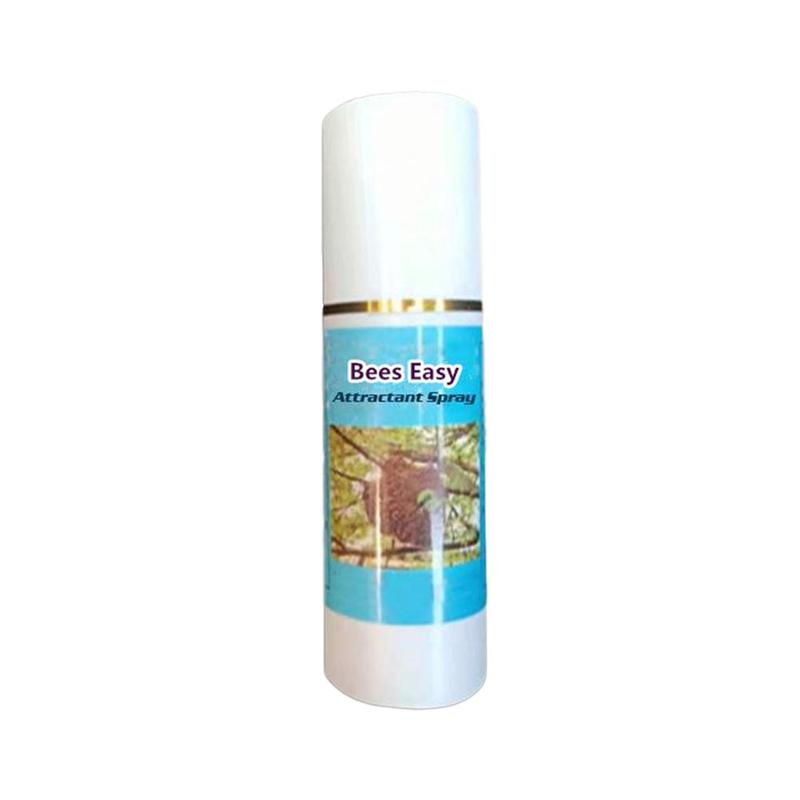
The Bee Attractant Spray is a practical, family-friendly tool that brings hands-on pollination science into your homeschool. This 60 ml spray is designed for landscape use and beekeeping demonstrations, helping students observe bee activity up close as part of your science curriculum.
Key Features & Design
- Size: 60 ml bottle — compact and easy to handle for at-home experiments or backyard field work.
- Scope of application: Landscape — ideal for garden and outdoor science activities that showcase pollinators in action.
- Packaging: Bee attractant included as “Bee attractant*1” to support ready-to-use learning experiences.
- Storage: Store in a cool and dry place to preserve effectiveness for ongoing study sessions.
- Function: Increases the probability of attracting bees to your study area, enabling real-time observation and data collection.
Performance / Benefits
For homeschool families, this attractant spray turns theoretical concepts into observable phenomena. Use it during outdoor biology lessons to illustrate pollination dynamics, bee foraging behavior, and the importance of pollinators in ecosystems. It complements a range of curricula, including biology, environmental science, and garden-based agricultural studies, and is perfect for family science projects, nature journaling, and science fairs.
- Use cases: create pollinator trails in your garden, demonstrate bee attraction during backyard science days, or support mini field studies in your local landscape.
- Curriculum alignment: Biology (ecology and pollination), Environmental Science, Agricultural Science, and Life Science units.
- Learning outcomes: students observe bee attraction patterns, record qualitative and quantitative data, compare attractiveness of plantings, and discuss the role of bees in food production.
- Practical tips: pair with simple observation sheets, note time-of-day activity, and combine with plant variety experiments to explore nectar sources and bloom timing.