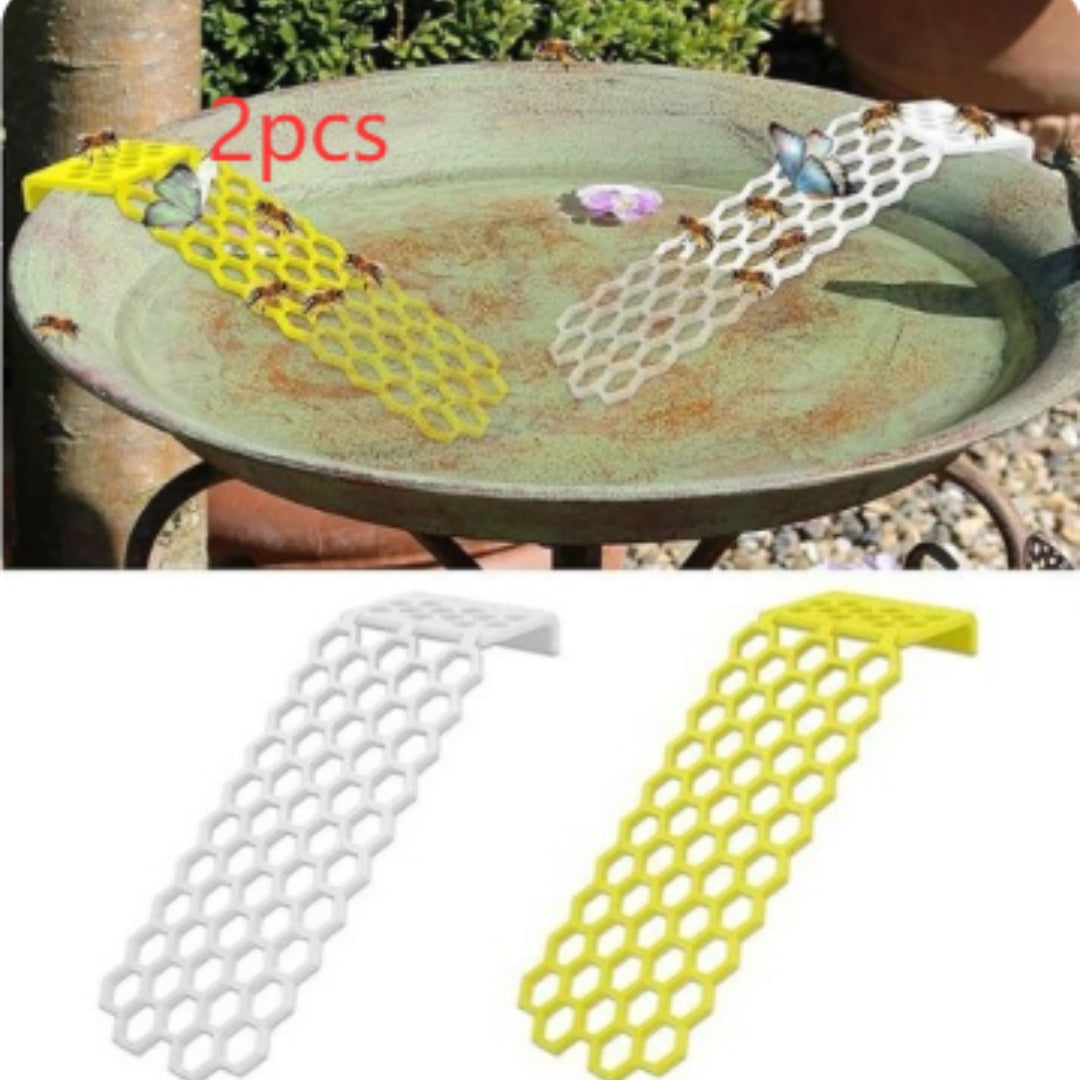
Item Number: HHS-6773


Heritage Homeschool Supply’s
Bee Insect Drinking Water Bee Ladder Insect Floating
Bee Insect Drinking Water Bee Ladder Insect Floating
Regular price
$28.51 USD
Regular price
Sale price
$28.51 USD
Quantity
Couldn't load pickup availability
Bee Ladder is a compact, floating plastic accessory designed to support insect hydration in hands-on homeschool science. Sized for small terrariums and classroom demos, it’s ideal for nature study corners, bee-observation projects, and engaging biology lessons that bring pollinators to life.
Key Features & Design
- Size: 18 x 7 x 1.2 cm — a discreet addition that fits neatly in small habitats and terrariums.
- Color: Yellow and white for high visibility and a cheerful, natural look.
- Material: Durable plastic, lightweight and easy to clean for repeated classroom use.
- Style & Craft: Simple, modern ornament form with a half-handmade semi-mechanical production, balancing reliability with a touch of handcrafted charm.
- Functionality: Floats on water, acting as a micro “ladder” so insects can access a shallow water source safely.
- Versatility: Suitable for terrariums, insect habitats, small aquariums, or nature-study displays; designed for home and classroom environments.
- Packaging: Packing list includes 1 Bee Ladder per unit.
Performance / Benefits
In a homeschool setting, this bee-friendly water ladder enhances observable science activities and inquiry-based learning. Students can directly witness how a shallow water station supports small insects, making abstract concepts like hydration, surface tension, and insect behavior concrete and memorable.
- Curriculum Alignment: Ideal for Life Science, Ecology, Biology units, and Nature Study projects. Use it in lessons about pollinators, habitat design, and ecosystem relationships.
- Hands-On Learning: Students can design experiments around hydration access, compare different water depths, and track insect interactions over time, building data-driven observation skills.
- Classroom Applications: Create a mini-pollinator corner, integrate with STEM activities, or complement terrarium builds to illustrate habitat needs and animal adaptations.
- Practical Tips: Place the ladder on the water surface within easy view of the observation window; pair with a shallow dish and a magnifying tool to document behavior; clean gently with mild soap and water between uses to keep it bright and safe.
- What Students Learn: How insects access water, basic buoyancy concepts, and the importance of clean hydration sources in ecological studies. It also helps develop observation journals and hypothesis-driven investigations.