BooksCloud
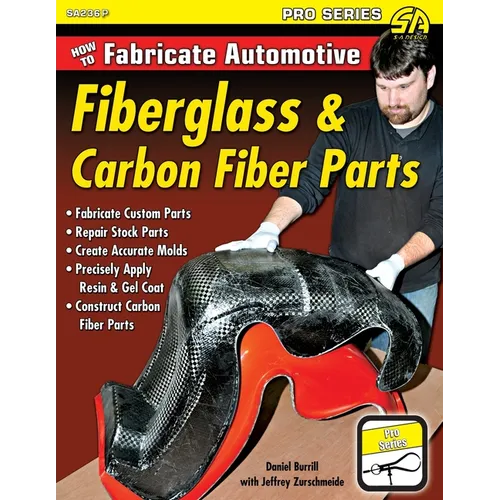
How to Fabricate Automotive Fiberglass & Carbon Fiber Parts - Paperback
Couldn't load pickup availability
How to Fabricate Automotive Fiberglass & Carbon Fiber Parts - Paperback is a practical, hands-on guide designed for homeschool families and their kids who want to explore automotive fabrication in a garage setting. This book translates complex materials science into approachable, at-home projects you can tackle together.
Key Features & Design
- Comprehensive at-home focus: dedicated to fabricating and repairing automotive parts using fiberglass and composite materials, with projects you can complete in a garage or workshop.
- Physical Details: 162 pages, paperback, dimensions 11 x 8.5 inches, published August 28, 2012, featuring black-and-white photography.
- Material & Fabric Options: guidance on using glass strand mat, woven fiberglass cloth, carbon fiber cloth, and hybrid fabrics for specific applications.
- Resins, Hardeners & Gels: clear instructions on mixing typical resins (polyester, epoxy), curing agents, and gels to achieve strong, reliable parts.
- Core & Fill Materials: coverage of core strategies using wood, foam, and Nomex honeycomb to add strength where needed.
- Tools & Pattern Making: essential tools list (mixing containers, holding containers, saws, scissors, files, shaping tools) and detailed methods for constructing precise patterns from wood, Formica, aluminum, and other materials.
- Real-World Scope: applicable to repairing existing components, fabricating new ones, building a race car, or restoring a classic vehicle.
Performance & Learning Benefits
This book turns complex composite fabrication into achievable, project-based learning for homeschooling families. It equips students with practical skills and a solid understanding of materials and processes, helping them connect hands-on work with science and engineering concepts.
- Hands-on engineering education: learn how to select appropriate fabrics, resins, and core materials for different loads, shapes, and performance goals.
- Materials science in action: explore the strengths and limitations of fiberglass, carbon fiber, and hybrid fabrics, plus how resin chemistry affects cure and durability.
- Patterning and fabrication skills: develop design thinking and precision through pattern construction from common shop materials, then translate patterns into finished parts.
- Curriculum tie-ins: pairs well with hands-on STEM activities, automotive science units, engineering design projects, and maker-space learning, reinforcing measurement, tolerances, and problem-solving in real-world contexts.
- Project-based outcomes: students can complete tangible projects—from repaired panels to custom fabricated components—providing a sense of achievement and a portfolio of work for homeschool portfolios or competitions.
Who This Book Is Ideal For
- Homeschool families seeking practical, tangible automotive projects that teach science and engineering fundamentals.
- Students interested in cars, race preparation, or classic-car restoration who want to learn fabrication and repair in a structured, classroom-friendly format.
- DIY enthusiasts who prefer a focused, automotive-specific approach to composite materials and at-home manufacturing.
Why This Book Stands Out
Unlike broader texts on fiberglass or general composites, this guide concentrates on automotive applications—body panels, interior components, and engine parts—using a realistic selection of materials and patterns tailored to car projects. It provides detailed, step-by-step guidance on everything from fabric selection to pattern creation, making it a practical companion for serious home shop work.
Specifications
- Pages: 162
- Dimensions: 0.35 x 11 x 8.5 in
- Publication Date: August 28, 2012
- Format: Paperback
- Edition characteristic: Black-and-white photos