Heritage Homeschool Supply’s
Large Outdoor Livestock Shed, 9x6 for Goats, Sheep, Pigs
Large Outdoor Livestock Shed, 9x6 for Goats, Sheep, Pigs
Couldn't load pickup availability
Introduction — A durable outdoor shelter designed for small‑scale homesteads and family farms, this Large Outdoor Livestock Shed provides goats, sheep, and pigs with reliable protection while offering hands‑on learning opportunities for homeschooling families. Use it as a practical project for animal care, weatherproof design, and sustainable livestock management within your curriculum.
Key Features & Design
- Durable galvanized steel construction — rust‑resistant and built for long‑term outdoor use, reducing maintenance and replacement needs.
- Size and layout — Overall dimensions: 109" L × 76.75" W × 75.5" H; interior: 105" W × 71.25" D; wide front opening: 37.75" W × 59.75" H for easy access and animal comfort.
- Sloped roof for drainage — helps prevent water buildup and keeps the interior dry during rain or snowfall.
- Ventilation openings — promote airflow to support healthier livestock conditions and comfortable temperatures inside.
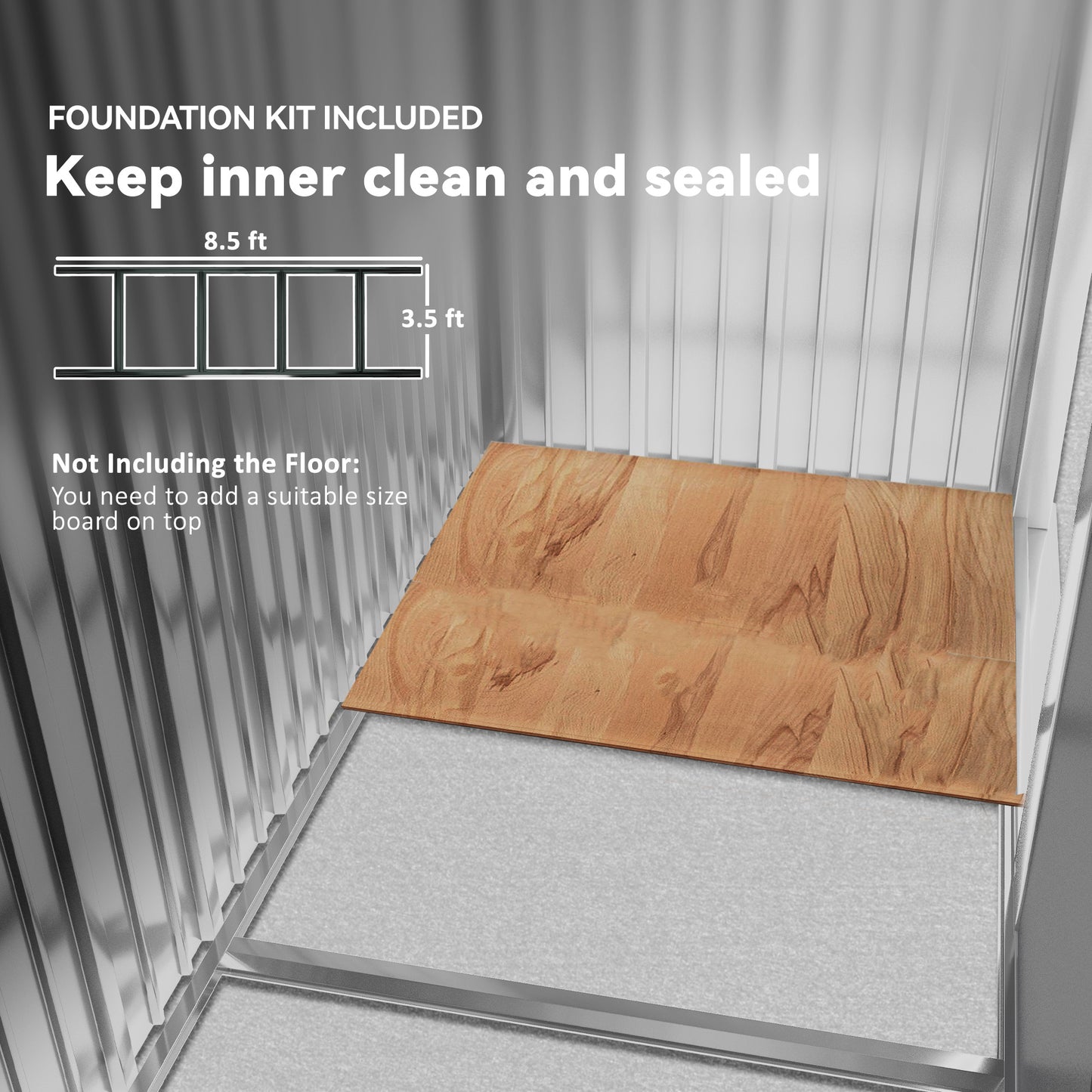
- Foundation kit included — enhances stability when installed on a platform or base, essential for long‑term placement.
- Assembly readiness — requires at least three people and approximately four hours; comes with an assembly manual; following instructions or watching the video can shorten setup time.
- Weather and season readiness — snow capacity of 4 lb/ft², optimized for light snowfall environments.
- Color and package — gray finish with a straightforward package that includes the shelter and assembly manual.
Performance / Benefits
This shelter is especially well suited for homeschoolers who manage a small farm or backyard homestead. It provides a dedicated, weather‑resistant space where students can observe animal behavior, practice responsible livestock care, and connect hands‑on activities to science, math, and engineering concepts. The durable galvanized steel construction offers a stable housing solution that reduces maintenance over time, freeing up learning time for projects and experiments rather than repairs.
Use cases and curriculum connections include:
- Life science and animal husbandry — study anatomy, nutrition, health monitoring, and daily care routines for goats, sheep, and pigs.
- Ecology and environmental science — observe how shelter design affects microclimates, airflow, and animal welfare in varying weather.
- STEM and engineering — analyze drainage, ventilation, and load considerations; calculate interior space for herd planning; plan and document assembly steps.
- Mathematics and measurement — work with real dimensions (inches and feet), calculate interior volume for bedding and feed planning, and compare material needs for future expansions.
- Project-based learning — integrate a hands‑on shelter project into a unit on farm management, safety standards, and maintenance schedules.
Compared to wood or improvised shelters, this metal livestock shelter minimizes rot and weather‑related wear, supporting a longer‑term learning module about materials science and resilient design. The included foundation kit and clear installation guidance help families plan and execute a stable, safe enclosure, turning a fencing or shelter project into a cohesive homeschool experience.
Practical tips for homeschool installers:
- Plan installation during calm weather and in an open space to accommodate three or more helpers.
- Follow the assembly manual closely and watch the provided video if available to streamline the process.
- Position the shelter on a stable base or platform using the foundation kit to maximize durability and accessibility for learning activities.
- Schedule regular maintenance checks for rust, tight fasteners, and ventilation openings to sustain a healthy learning environment.
- Use the interior space to support routine animal care logs, weather observations, and classroom discussions tied to real‑world farming practices.